Cusco & Machu Picchu
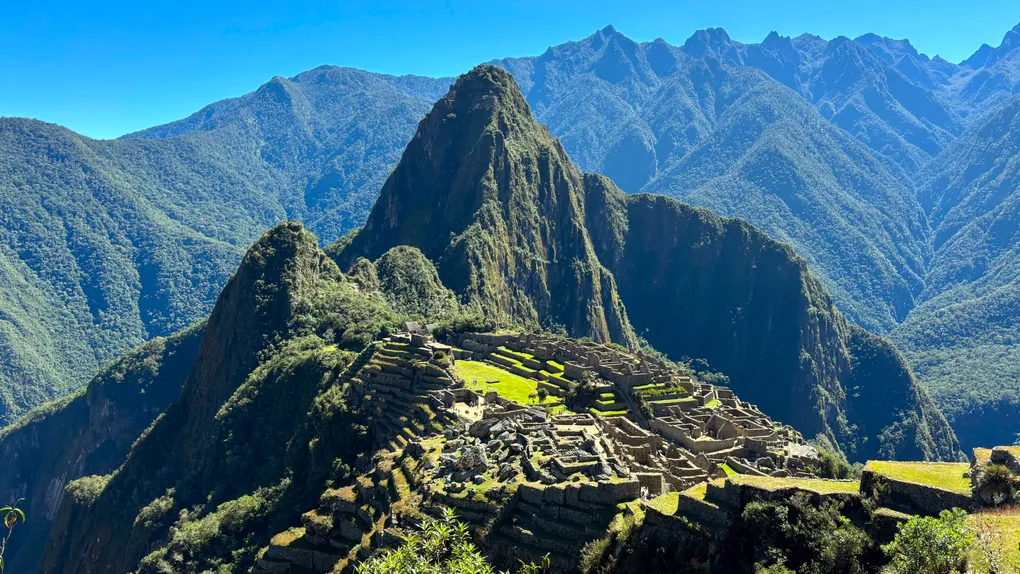
Country: Peru 🇵🇪
País: Perú 🇵🇪
Страна: Перу 🇵🇪
Video VideoВидео
Overview
This is a first-visit Peru Andes itinerary focused on Cusco, the Sacred Valley, and Machu Picchu.
The route is intentionally staged for altitude: Lima at sea level, Arequipa at a moderate altitude, Cusco for the first high-altitude adjustment, then the lower Sacred Valley and Aguas Calientes before returning to Cusco. The highest day trips, especially Rainbow Mountain, are best left until the end.
Regions: Lima, Arequipa, Cusco, Sacred Valley, Machu Picchu
Core minimum: 9–10 nights with a pre-booked Machu Picchu ticket
Without a Machu Picchu ticket in advance: 11–13 nights is safer
Main focus: culture, archaeology, mountains
Best season: May–September (dry season)

Lima ▾
Lima works mainly as the international gateway and the easiest place to recover after arrival.
Altitude:
• ~0–150 m
Base:
• Miraflores for easiest logistics and oceanfront walks
• Barranco for a calmer stay, and coastal views, but with longer transfers
Minimum stay:
• 2 nights
• Arrival night, one full day in the city, then departure to Arequipa
Why visit:
• Coastal walks and ocean views
• Useful buffer if international and domestic flights do not connect well
What to do:
• Miraflores – oceanfront walks, restaurants, and easy logistics
• Barranco – coastal views, murals, cafés, and a quieter evening atmosphere
• Historic center – Plaza Mayor, churches, and colonial buildings if time allows
Optional extension:
• Paracas and Ballestas Islands – coastal desert, sea lions, seabirds, and a very different coastal landscape from Lima
• Works as a long day trip from Lima, but 1–2 nights is better
Important:
• Lima traffic is heavy, especially around airport transfers
• Miraflores / Barranco to the airport can take much longer than expected, so leave a wide buffer before flights
Arequipa – Volcano Views & Acclimatization ▾
Arequipa is the best first Andean stop if you want a gentler altitude transition before Cusco.
Altitude:
• ~2,300 m
Base:
• Arequipa historic center
Minimum stay:
• 2 nights
• Arrival, one full day in the city, then departure to Cusco
Why visit:
• Strong historic center built with white volcanic stone
• Clear views toward Misti, Chachani, and Pichu Pichu in good weather
• Good acclimatization base before going higher
What to do:
• Plaza de Armas
• Santa Catalina Monastery
• Historic center walks
• Volcano viewpoints around the city
How to move:
• Lima → Arequipa by flight
• Arequipa → Cusco by flight
Optional extension to Colca Canyon:
• Condor viewpoints, deep canyon scenery, terraces, villages, and hot springs
• Usually done by organized tour from Arequipa
• Independent travel is possible by bus to Chivay, but tours are simpler for a first visit
• Add 1–2 nights if Colca is included
Important:
• Arequipa is lower than Cusco, but still high enough that the first evening should stay relaxed
Cusco – First High-Altitude Stay ▾
Cusco is the main logistical base of the region, but the first stay should stay light.
Altitude:
• ~3,400 m
Base:
• Cusco historic center or San Blas
Minimum stay:
• 1–2 nights before continuing to the Sacred Valley
• 1 night is enough if altitude or cold accommodation becomes uncomfortable
• 2 nights gives more time for the city before moving on
Why visit:
• Core Inca and colonial city
• Main base for tours and onward logistics
• Necessary acclimatization stop before higher day trips
First-day pacing:
• Rest
• Hydrate
• Walk slowly
• Avoid a dense sightseeing plan
Light city visits:
• Plaza de Armas
• San Blas
• Qorikancha
• Short central walks
Nearby tour options:
• Sacsayhuamán – major Inca site above the city, usually easy by taxi or tour
• Pisac – Inca ruins and market; often used as part of a Sacred Valley day
• Maras Salt Mines – photogenic salt terraces, often paired with Moray
• Moray – circular Inca agricultural terraces; higher than Ollantaytambo and usually visited by tour or driver
How to move:
• Arequipa → Cusco by flight
• Inside Cusco, use walking for central areas and taxis for ruins or hills
Important:
• Cusco is cold at night, especially in apartments with thin windows, thin walls, and weak heating
• Many stays rely on small portable heaters rather than central heating
• Altitude can be manageable after acclimatization, but poor sleep in cold rooms can make the stay harder
• If Cusco feels uncomfortable, move earlier to Ollantaytambo or Urubamba, which are lower and often more pleasant for resting
Sacred Valley & Ollantaytambo ▾
The Sacred Valley is an important cultural excursion towards Machu Picchu.
Altitude:
• Some Sacred Valley route stops are still high, especially Chinchero / Maras / Moray areas
• Ollantaytambo is around ~2,800 m and is much easier for overnight rest than Cusco
Base:
• Ollantaytambo
Minimum stay:
• 1 night before the train to Aguas Calientes
Why visit:
• Important Inca sites
• More pleasant overnight base before Machu Picchu
• Practical train station for Aguas Calientes
• Warmer and calmer than Cusco for many travelers
How to move from Cusco:
• Sacred Valley tour or private driver finishing in Ollantaytambo – best if you want sightseeing on the way
• Direct transfer / colectivo to Ollantaytambo – cheaper and simpler if you only need to reach the train base
• Train-company bus + train package from Cusco – easiest but usually more expensive and less flexible
Route options:
• Pisac route – classic Sacred Valley ruins and market route
• Maras / Moray route – higher, scenic, and often more rewarding if you prefer landscapes and unusual Inca sites
• Both options end in Ollantaytambo fortress
Train to Aguas Calientes:
• Ollantaytambo → Aguas Calientes by PeruRail or Inca Rail
• Even the cheaper trains add strong mountain and river views
• More panoramic classes are expensive, but can be worth using in one direction if you want the train ride to feel like part of the trip
Luggage:
• Machu Picchu trains usually allow only small hand luggage
• Leave large suitcases in Cusco or Ollantaytambo before taking the train
Budget alternative:
• The Hidroeléctrica route is cheaper but much harder logistically
• It usually involves overland travel from Cusco toward Santa María / Santa Teresa / Hidroeléctrica, then walking around 10 km or taking a short train to Aguas Calientes
• For a first visit, the train from Ollantaytambo is the calmer and more reliable option
Important:
• Sleeping in Ollantaytambo gives a better rhythm than forcing Cusco → train → Aguas Calientes in one rushed move
Aguas Calientes & Machu Picchu ▾
Aguas Calientes is the access town for Machu Picchu and is worth treating as part of the itinerary, not only as a transfer point.
Altitude:
• Aguas Calientes: ~2,000 m
• Machu Picchu: ~2,430 m
Base:
• Aguas Calientes / Machupicchu Pueblo
Minimum stay:
• 1 night if you already have the Machu Picchu ticket
• 2–3 nights if you are relying on in-person ticket purchase or want a calmer visit
Why stay:
• Warmer and lower than Cusco
• Easier timing for the Machu Picchu bus
• Useful buffer for clouds, rain, or ticket uncertainty
• Good place to rest after several high-altitude days
How to get there:
• Train from Ollantaytambo to Aguas Calientes
• Main operators: PeruRail and Inca Rail
How to reach Machu Picchu from Aguas Calientes:
• Consettur shuttle bus is the standard option
• Walking up is possible, but it adds effort before the visit and is not needed for most travelers
If you already have the ticket:
• Morning train + Machu Picchu visit + evening train back is possible
• Staying overnight in Aguas Calientes is calmer and safer for timing
If you do not have the ticket:
• Plan enough time for the in-person ticket system
• Treat Aguas Calientes as the central part of the route
What to do besides Machu Picchu:
• Natural thermal baths
• Manuel Chávez Ballón Museum
• Mandor Waterfalls walk
• Rest day before or after the citadel visit
Important:
• Aguas Calientes is one of the most expensive parts of the route
• If budget allows, visiting different routes on different days can make sense
• Weather changes quickly around Machu Picchu; two visit opportunities can give a better chance of clear views
Cusco – Second Stay After Machu Picchu ▾
Returning to Cusco after Machu Picchu is useful if you want higher day trips or more city time after acclimatization.
Altitude:
• ~3,400 m
Base:
• Cusco historic center or San Blas
Minimum stay:
• 2 nights if adding Rainbow Mountain, Humantay Lake, or missed Cusco-area sites
• Can be skipped if you only need to return to Lima
Why return:
• You are now better acclimatized
• This is the best point to add higher tours
• You can visit the places skipped during the first Cusco stay
What to do:
• Sacsayhuamán
• Qorikancha
• San Blas
• Missed Sacred Valley or nearby Cusco sites
Optional high-altitude tours:
• Humantay Lake – high mountain lake and hike, usually around ~4,200 m; skip if altitude has already been difficult
• Rainbow Mountain / Vinicunca – around ~5,000 m or slightly above; very popular, but the most demanding altitude point of this itinerary (you have to hike up to 400 m)
How to get back from Aguas Calientes:
• Train Aguas Calientes → Ollantaytambo
• Then colectivo, taxi, transfer, or train-company bus package back to Cusco
How to skip this stop:
• Train to Ollantaytambo
• Road transfer to Cusco airport, usually around 2 hours depending on traffic and route conditions
• This only works if flight timing is realistic and you are not adding high-altitude tours
Important:
• Cusco remains cold at night
• If comfort and rest matter more than tour logistics, staying longer in Ollantaytambo or Urubamba may be better
• Do not add Rainbow Mountain if you are still recovering from altitude, poor sleep, or cold accommodation
Finish of the Route ▾
The main Cusco and Machu Picchu itinerary ends here.
Option 1:
• Flight Cusco → Lima
• Add a Lima buffer night before an international flight if timing is tight
• Also useful if you need to recover after altitude and cold nights
Option 2:
• Bus Cusco → Puno
• Continue toward Lake Titicaca and later Bolivia
Puno altitude:
• ~3,800 m
Why continue to Puno:
• Lake Titicaca
• High-Andes cultural stop
• Natural overland bridge toward Bolivia
Important:
• Puno is higher than Cusco
Machu Picchu routes and tickets
This itinerary is designed for a first visit, so the route priority is simple: try to get Circuit 2 first, then use Circuit 1 as the best panoramic fallback, and Circuit 3 only if the better first-visit routes are gone.
Route priority for a first visit
-
Circuit 2 / Route 2-A or 2-B: best first choice
The most balanced first-visit option. It combines the classic Machu Picchu view with a longer walk through the citadel area, which is why these tickets are usually the hardest to get. -
Circuit 1 / Route 1-B: best panoramic fallback
Good if the main priority is the classic upper view and photos. It is shorter and more viewpoint-focused, with less time inside the citadel itself. -
Circuit 3 / Route 3-B: acceptable fallback
Lower route with more of the lower citadel area, but without the classic upper panorama. Better than skipping Machu Picchu, but not the ideal first ticket. -
Route 1-A / Machu Picchu Mountain and Route 3-A / Huayna Picchu: hiking-focused options
Choose these if the hike itself is a priority. They can give excellent views, but they are more physically demanding and more weather-dependent.
For a first visit, the practical order is:
- Circuit 2
- Circuit 1
- Circuit 3
- Hiking routes only if you specifically want the hike
Best timing in Aguas Calientes
The rushed version is possible:
- Morning train to Aguas Calientes
- Machu Picchu visit
- Evening train back
This works only if:
- You already have the right Machu Picchu ticket
- Train times match your entrance time
- You are comfortable with a long, tightly planned day
The calmer version is better:
- 1 night in Aguas Calientes if you already have the ticket
- 3 nights if you want two full Machu Picchu chances or need to use the in-person ticket system
This is more expensive, but Aguas Calientes is warmer and more pleasant for rest than Cusco, and the extra time gives a better chance of clear mountain views.
Backup option: buy in person in Aguas Calientes
The official in-person system keeps a daily allocation of 1,000 tickets at the Centro Cultural in Machupicchu Pueblo / Aguas Calientes.
Important:
- Tickets are for the following day
- Sales start at 6:00 and continue until 22:00 or until tickets sell out
- Route choice is not guaranteed
- Check the official remaining-ticket tracker before relying on this option
For Circuit 2, do not rely on arriving in the afternoon.
Safer slow plan without an advance ticket:
- Day 1 – arrive in Aguas Calientes
- Day 2 – go early, ideally around 6:00–7:00, and buy the best available ticket for the next day
- Day 3 – visit Machu Picchu
- Day 4 – return to Cusco or continue the route
Extra safety plan:
- If any acceptable fallback online ticket is available, buy it first
- Then use the in-person system to try for Circuit 2
- This can give you one guaranteed visit and one attempt at the better first-visit route
Consettur bus from Aguas Calientes
The Consettur shuttle bus is the standard way to reach the Machu Picchu entrance from Aguas Calientes.
How to buy:
- Online through the official bus ticket site
- In person in Aguas Calientes
Practical advice:
- Buy the bus ticket the evening before your Machu Picchu visit
- This avoids wasting time in the morning
- The ticket is date-based, not tied to one exact departure bus
- Join the bus line around 1 hour before your Machu Picchu entrance time
- Morning lines can be long, but they usually move steadily
Walking up is possible, but it adds effort before the visit and is not needed for most travelers.
Train luggage
Machu Picchu trains are not designed for large luggage.
Inca Rail:
- Allows only one small hand-luggage item
- Large 20–23 kg suitcases are not allowed on normal Machu Picchu trains
PeruRail:
- Small hand luggage is included
- Extra luggage can be added for a fee, including larger checked luggage
Storage:
- Both PeruRail and Inca Rail provide luggage storage options in Ollantaytambo
- The safest plan is to leave large luggage in Cusco or Ollantaytambo and take only a small backpack to Aguas Calientes
What to book in advance
Highest priority:
- Machu Picchu ticket, especially Circuit 2
- Train to / from Aguas Calientes
- Aguas Calientes accommodation
Also useful:
- Consettur bus ticket, ideally the evening before the visit
- Domestic flights Lima → Arequipa, Arequipa → Cusco, Cusco → Lima
The rest can usually be booked locally or a few days ahead.
Useful links
-
Official Machu Picchu tickets:
https://tuboleto.cultura.pe/ -
Official Machu Picchu route information:
https://www.machupicchu.gob.pe/circuits-and-routes/?lang=en -
Official in-person ticket information:
https://www.machupicchu.gob.pe/purchase-of-tickets-in-person/?lang=en -
Official remaining-ticket tracker for in-person sales:
https://tuboleto.cultura.pe/disponibilidad/llaqta_machupicchu -
PeruRail:
https://www.perurail.com/ -
PeruRail luggage rules:
https://www.perurail.com/luggage/ -
PeruRail Hidroeléctrica route information:
https://www.perurail.com/destinations/hidroelectrica/ -
Inca Rail:
https://incarail.com/en -
Inca Rail luggage rules:
https://incarail.com/en/luggage-policies -
Consettur bus booking (Aguas Calientes ↔ Machu Picchu entrance):
https://comprar.consettur.com/