Bolivia 🇧🇴
✔️ Pros
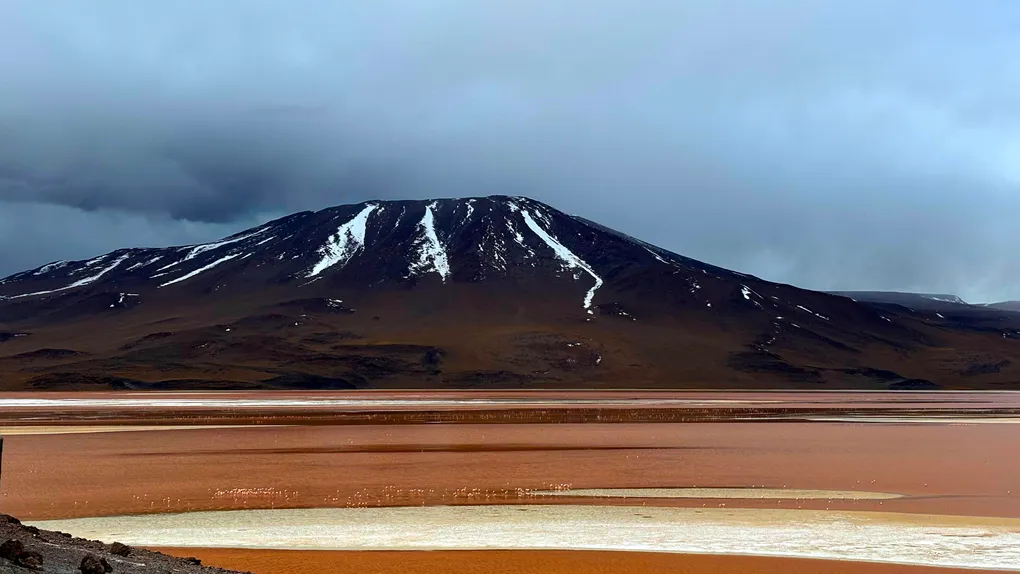
- some of the most distinctive high-altitude landscapes in South America
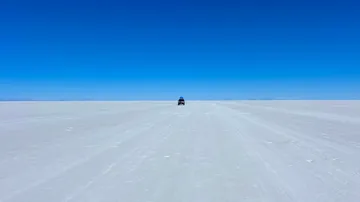
- Salar de Uyuni and the Altiplano are genuinely world-class experiences
- strong indigenous culture and historic highland cities
- much less polished and tourist-oriented than neighboring Peru or Chile
- relatively low everyday costs once inside the country
⛔ Cons
- protests, roadblocks, strikes, and fuel shortages can make travel unreliable
- weak infrastructure and basic comfort outside the main routes
- altitude is a serious constraint across much of the country
- long road journeys can be tiring and unpredictable
☑️ What to Do
📊 Country Rating
📝 Notes
🌍 Why Visit Bolivia?
Bolivia is one of the strongest choices in South America if the goal is unusual landscapes rather than comfort. Its main advantage is that the country still feels remote and relatively unpolished. The experience is built around altitude, open space, indigenous culture, and landscapes that often feel very different from the more accessible routes in Peru, Chile, or Argentina.
🏔️ Altitude and Comfort
Altitude affects much more than hiking. Many cities, roads, viewpoints, and overnight stops are above 3,500 meters, while some excursions rise well above 4,000 meters. Cold nights, strong sun, dry air, and basic accommodation can make the experience more tiring than the distances suggest. Acclimatization and realistic pacing matter even for travelers who are not planning difficult hikes.
💰 Costs
Bolivia remains relatively inexpensive for accommodation, food, and everyday expenses. However, the places that make the country special are often remote. Multi-day 4x4 tours, private rooms, domestic flights, or last-minute transport changes can raise the real trip cost.