Philippines 🇵🇭
Video from the country Video del paísВидео о стране
✔️ Pros
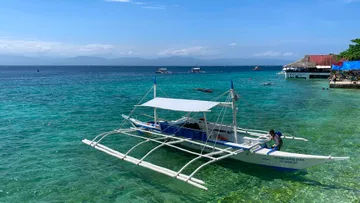
- some of the best white-sand beaches in the world
- outstanding snorkeling, diving, and marine biodiversity
- unique natural landmarks: volcanoes, lagoons, limestone cliffs
- English widely spoken, making communication easy
- generally relaxed atmosphere on smaller islands
⛔ Cons
- safety concerns in cities and certain regions
- frequent scams and double pricing for tourists
- limited infrastructure outside major cities
- unreliable transport and frequent flight disruptions
- strong dependence on weather conditions

☑️ What to Do
📊 Country Rating
📝 Notes
🌊 Nature: A Marine Paradise
The Philippines is one of the strongest destinations in the world for ocean-based nature.
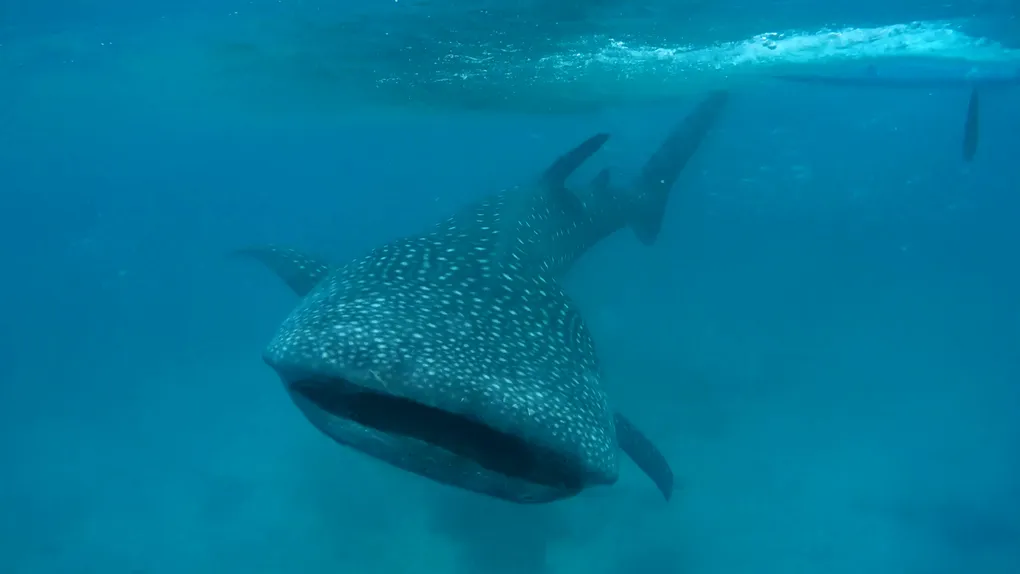
Snorkeling, diving, lagoons, coral reefs, and white-sand beaches are consistently outstanding, often surpassing more famous destinations. In some regions, you can swim with whale sharks, witness massive sardine runs, and explore colorful coral reefs in shallow, accessible waters.
🏝️ Beach Life vs Cities
Most travelers focus on remote island locations rather than large cities such as Manila or Cebu.
- remote areas offer calm, space, and natural beauty
- cities are dense, noisy, and often avoided by tourists
Cultural life exists mainly in urban centers, with free museums, colonial architecture, and visible Spanish influence — but these experiences are rarely part of typical island-focused itineraries.
⚠️ Safety and Awareness
The Philippines requires awareness and situational caution.
- armed guards and police presence are common in cities
- certain regions are unstable and should be avoided
- scams and double pricing for tourists are widespread
While tourist islands often feel safe and relaxed, cities generally demand more attention than in most of Southeast Asia.
🚧 Infrastructure and Transport
Infrastructure across the country is uneven.
- public transport and taxis are available near main hubs
- outside major centers, services are minimal
- supermarkets, cafés, and reliable transport may be scarce on smaller islands
Travel between islands often involves flights or ferries that are highly sensitive to weather conditions.
🌪️ Climate and Natural Risks
Typhoons are a serious factor and should not be ignored. Flights are frequently delayed, canceled, or rerouted during storm seasons.
Earthquakes and volcanic activity also occur, reinforcing the need for flexible plans and buffer time.
🧠 How Tourism Works Here
Tourism is often treated as a revenue source rather than a system to improve. Double pricing, uneven services, and limited infrastructure are common in popular destinations.
💡 Who This Country Is For
Travelers prioritizing marine life and white beaches who accept limited comfort and planning challenges.