Chile Highlights
Country: Chile 🇨🇱
País: Chile 🇨🇱
Страна: Чили 🇨🇱
Video VideoВидео
Overview
Chile is long and flight-based. The clean way to experience it is to pick a few high-impact regions connected by domestic flights:
- Santiago (gateway + compact city center)
- Easter Island / Rapa Nui (remote cultural landscape)
- Puerto Varas (lake district volcano views)
Optional extension: Atacama Desert for extreme desert and high-altitude landscapes, with a common connection onward to Uyuni.

Santiago ▾
Santiago is a practical gateway. The central area is compact and one full day is enough.
Walkable city core:
• Plaza de Armas (historic center)
• La Moneda Palace (civic landmark)
• Cerro Santa Lucía (short climb, city views)
• Cerro San Cristóbal (big viewpoint; funicular/cable car access)
• Gran Torre Santiago (observation deck option)
Where to stay for a better evening:
• Providencia is the most practical balance (walkable streets, restaurants, metro access)
• Las Condes / El Golf is quieter and more business-like, good for comfort
• Avoid staying near Estación Central / major terminals if you want relaxed evenings
City transport:
• Metro is the simplest way to move
• Use taxis/ride-hailing at night instead of long walks
Recommended stay:
- 2 nights
Easter Island (Rapa Nui) ▾
Before you fly:
• Complete the Rapa Nui entry form (FUI / IRN) online. You must present it before boarding.
Base:
• Hanga Roa (all lodging, restaurants, and tour pickups)
• The town is walkable and the easiest daily anchor on the island
Park access and guides (key rule):
• For most archaeological sites inside Rapa Nui National Park you need:
- a park ticket
- a guide (accredited under the park system)
How to handle guides without stress:
• No need to rent a car for the main circuit: most people visit the key sites via half-day/full-day tours that include transport
• Private guide = most flexible, but expensive
• Group tour = cheaper and works well because the main sites are fixed-route highlights
• Practical way to book: ask your host/hotel for current contacts, or use the official guide directory
A must-do in town:
• Tāhai Ceremonial Center is close to Hanga Roa and works perfectly for sunset walks (easy, no logistics)
Core “must-see” sites (2 full tour days are enough):
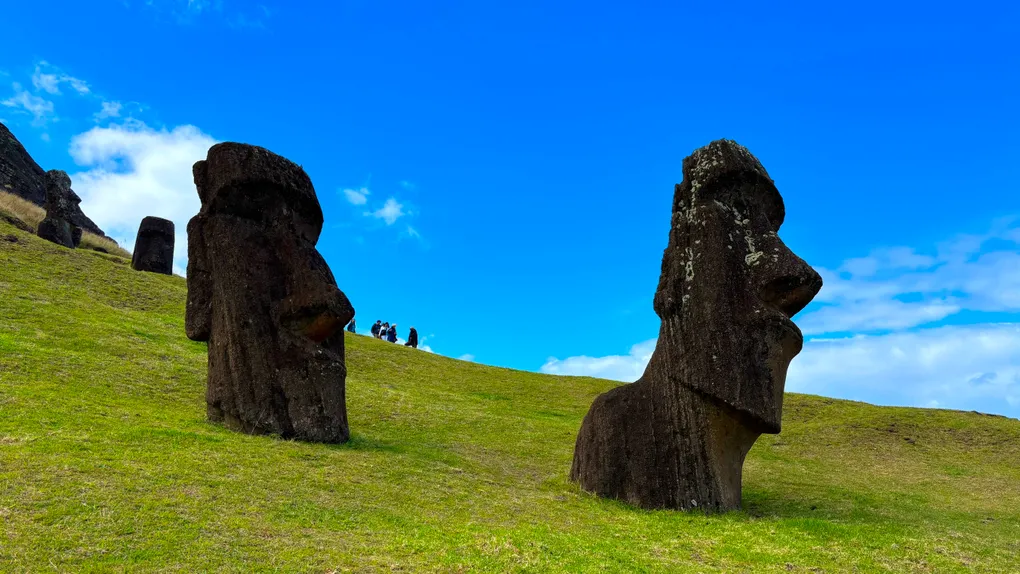
• Rano Raraku (moai quarry)
• Ahu Tongariki (largest restored platform)
• Rano Kau + Orongo (crater + ceremonial village)
• Anakena (beach + moai landscape)
Typical structure that works:
• 1 afternoon/evening: Tāhai sunset + town
• 2 tour days: main park circuit (north/south style loops)
• Extra day if you want slower pace, a second beach morning, or weather flexibility
Recommended stay:
- 3-5 nights
Technical stop near Santiago airport ▾
Rapa Nui flights often arrive late in Santiago, while flights to Puerto Montt are commonly morning departures.
Clean solution:
• Plan a 1-night airport-area hotel in Santiago (SCL) after returning from Rapa Nui
• Fly to Puerto Montt next morning
This avoids a rushed late-night transfer into the city and makes the next flight simple.
Puerto Varas ▾
Puerto Varas is a calm base on Lake Llanquihue with some of Chile’s best “volcano from town” views.
What makes it special:
• From the lakeside promenade (Costanera), clear-sky days can frame multiple volcanoes (Osorno, Calbuco, and Tronador)
Core day trips:
1) Petrohué Waterfalls (Saltos del Petrohué) - lake scenery with volcanoes
2) Volcán Osorno access (very weather dependent, but highly recommended with clear skies)
• Road access to the mountain center
• Chairlift / panoramic lift options
• High viewpoints over Lake Llanquihue + glacier landscape
• Many “Petrohué day tours” offer an Osorno add-on the same day (works well if skies are clear)
3) Lago Todos los Santos (emerald lake)
• Works well as part of a Petrohué day, depending on timing and transport
Optional but strong extension:
• Chiloé Island (unique landscapes + cultural atmosphere)
• Works as a long day trip, but 2 days is calmer
Connection options:
• Puerto Varas ↔ Bariloche (Argentina) overland buses
• “Andean Crossing” style boat+bus route is a scenic (and more expensive) alternative
Transportation
This itinerary is flight-based:
- Santiago is the hub for the most domestic connections
- Rapa Nui requires pre-travel entry form + park ticket + guide/excursion planning
- Puerto Varas access is via Puerto Montt airport + short transfer
Rapa Nui:
- Main village is walkable
- Most key sites are visited via guide/tours, so renting a car usually adds cost without replacing the guide requirement
Puerto Varas:
- Day trips can be done by:
- rental car (maximum flexibility)
- day tours (simple logistics)
- some public transport, but the classic “multi-stop scenic loop” days work better with car/tour
Useful links
Rapa Nui entry form (required before boarding):
Rapa Nui National Park (tickets, rules, guide directory):
- Park site: https://www.rapanuinationalpark.com/en/
- Guide directory: https://www.rapanuinationalpark.com/en/guias
- Ticket portal (linked from the official park site): https://rapanui.tur.com/
Puerto Varas region (national park passes + hours):
- Vicente Pérez Rosales pass page: https://www.pasesparques.cl/es/parks/v-perez-rosales
Volcán Osorno mountain center (lift tickets / access info):
Chiloé National Park (CONAF):
Best season
- Santiago: spring/autumn are easiest for walking (Sep–Nov, Mar–May)
- Rapa Nui: year-round, but book flights early in peak periods
- Puerto Varas: Dec–Mar is the easiest window for volcano visibility