Vietnam 🇻🇳
Video from the country Video del paísВидео о стране
✔️ Pros
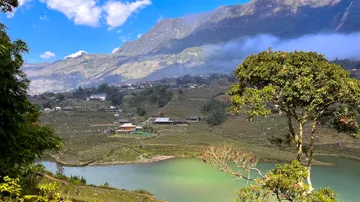
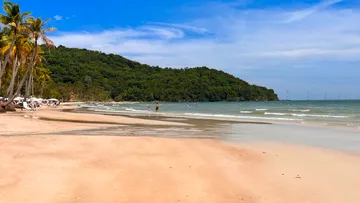
- remarkable diversity of landscapes from north to south
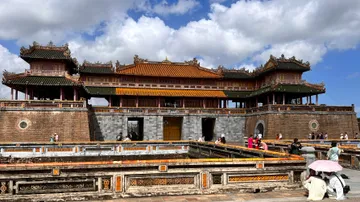
- rich history, traditions, and everyday street culture
- excellent affordability for long stays
- very good infrastructure for travelers and remote work
- outstanding food culture, accessible everywhere
- generally safe and predictable daily life
⛔ Cons
- climate varies strongly by region and season
- chaotic traffic in major cities
- crowds in popular places

☑️ What to Do
📊 Country Rating
📝 Notes
🌏 A Country of Regions
Vietnam is not a single, uniform destination. The north, center, and south differ noticeably in climate, landscapes, food, and daily rhythm.
- Northern Vietnam: cooler winters, hot and humid summers; most comfortable in spring and autumn
- Central Vietnam: distinct rainy season with occasional strong storms; best in summer months
- Southern Vietnam: tropical climate with wet and dry seasons; most pleasant in winter
This regional diversity is a major advantage for long stays: when one part of the country is less comfortable, another is often at its best.
🏙️ Strong and Practical Infrastructure
Vietnam’s infrastructure is one of its quiet strengths.
- Major cities like Hà Nội and Ho Chi Minh City are energetic, dense, and noisy, but offer excellent services and deep cultural layers.
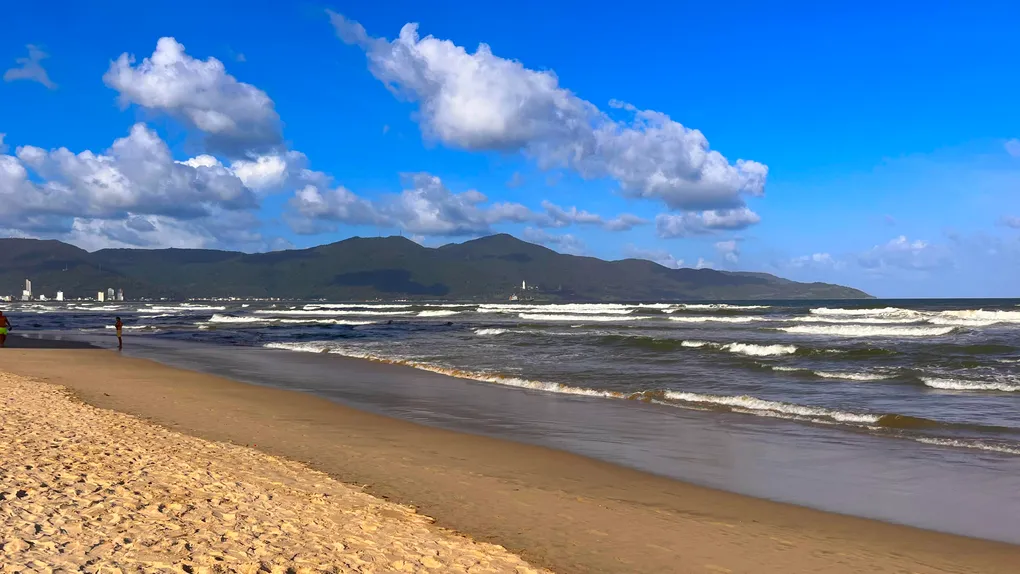
- Coastal cities usually have well-developed infrastructure, with many cafés, accommodations, and transport options.
- One of the best long-distance bus networks in the region, offering cheap and relatively comfortable travel.
- A wide network of modern amusement and theme parks, combining attractions, gardens, beaches, and nature areas.
- Outside cities, rural villages, coastal towns, and mountain regions offer a much slower and more tranquil pace of life.
💻 Long Stays and Remote Work
Vietnam stands out as one of the best countries in the world for long-term stays.
- fast and affordable internet, with free Wi-Fi widely available
- a broad range of accommodation options, from budget to comfortable long-term rentals
- low daily costs
- many interesting places to explore around major hubs
- strong café culture and a growing network of coworking spaces
🚦 Practical Notes
Traffic can feel chaotic at first, especially in larger cities. Over time, most visitors adapt and begin to ignore it.
Many areas are easiest to explore by rental bike, but this is optional. Taxis, buses, and trains are widely available, and most tourist areas are walkable.
Small inconveniences tend to fade into the background during longer stays.
🧠 How Tourism Works Here
Vietnam treats tourism as a long-term national investment. Strong focus on infrastructure, transport, public spaces, and large-scale attractions makes travel smooth and supports long stays.
💡 Who This Country Is For
Travelers planning long stays who want diversity, affordability, and functional everyday life.